Insights
Wildfire risk, explained
Research, guides, and analysis from the Cindera team on home hardening, insurance, grants, policy, and the science of wildfire. Practical reading for homeowners who want to stay protected — and stay covered.
 PolicyOctober 6, 2026
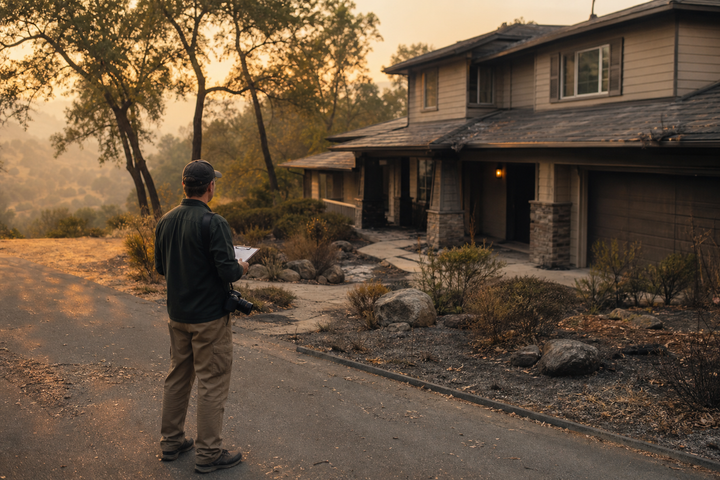
Smoke Damage Is the Next Wildfire Insurance Battleground for Homeowners
California has turned wildfire smoke damage from a gray area into a formal insurance and recovery issue. For homeowners, the real question is no longer only whether smoke is covered, but how contamination, testing, remediation, and clearance will be proved at a specific property.
Read article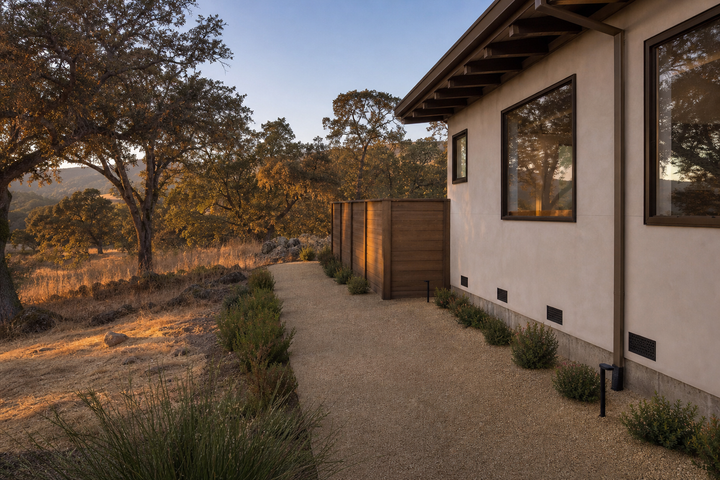 Home hardeningAugust 24, 2026
Zone Zero Is the New Center of Gravity in Wildfire Home Hardening
California’s Zone 0 rules are no longer just a concept: on August 19, 2026, the Board of Forestry and Fire Protection approved the final emergency regulation package. The rules are not yet effective. The first five feet around a home is nevertheless becoming an increasingly actionable place to start because it sits at the intersection of wildfire policy, insurance incentives, and ember-driven fire behavior.
Read article Data & researchAugust 14, 2026
What Makes Cindera Different in Wildfire Risk: Parcel-Level Data, Hardening Guidance, Grants, and Vendors in One Workflow
Wildfire homeowners do not need another map, checklist, or contractor list in isolation. They need a workflow that moves from property-specific risk to the right hardening action, then to funding and a qualified vendor who can complete the work. Cindera is built around that sequence, and its own database shows how rare it is to connect the pieces in one place.
Read article PolicyJuly 18, 2026
What California’s Insurance Surge Means for Wildfire Home Hardening in 2026
California’s insurance market is showing fresh signs of expansion in wildfire-distressed areas, but the homeowner’s leverage still comes from parcel-level hardening that insurers can verify. In 2026, the smartest move is to focus on the roof, vents, the first five feet around the home, and the documentation that turns mitigation into underwriting credit.
Read article PolicyJuly 11, 2026
How Insurers Actually Evaluate Wildfire Risk on an Individual Home
Wildfire underwriting is not just a map color or a neighborhood label. Insurers usually start with location, then move to parcel features, home-hardening details, maintenance, mitigation evidence, and finally their own appetite and capacity constraints. For homeowners, the practical question is not whether a house is “in a wildfire area,” but which parts of the home can be documented, verified, and improved at the parcel level.
Read article Home hardeningJuly 5, 2026
How to Leave the California FAIR Plan: The Home Hardening That Helps You Qualify for Better Coverage
The California FAIR Plan is a temporary safety net, not the goal. If you want a better chance of moving into the admitted market, the most important step is not just shopping harder — it is hardening, documenting, and verifying the parts of your home that insurers actually price and underwrite.
Read article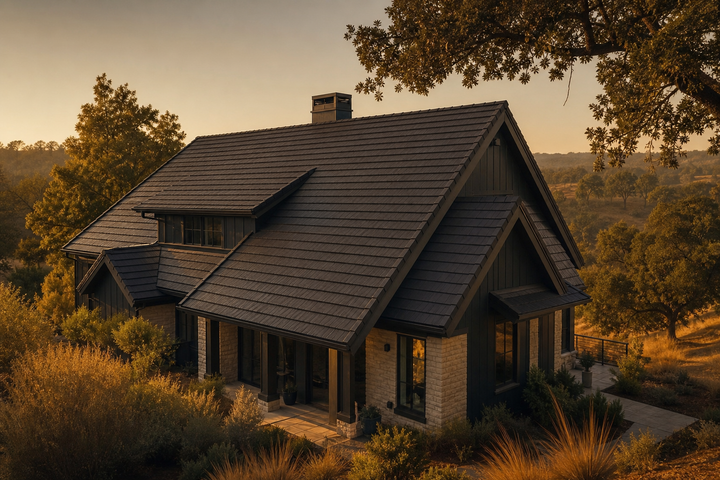 Home hardeningJune 25, 2026
Why the Roof Is One of the Biggest Wildfire Vulnerabilities — and What a Class A Upgrade Actually Costs
The roof is one of the most exposed parts of a home in a wildfire, because embers land on it, collect at edges and valleys, and work through weak details long before flame contact is the issue. This article explains what Class A really means, how Cindera treats roof work inside its scoring model, what different roof systems trade off in practice, and how homeowners should think about cost, documentation, and insurance value before they reroof.
Read article Grants & incentivesJune 5, 2026
California’s Home Hardening Grants: What’s Available, How Much They Cover, and Where the Gaps Are
California has a real wildfire hardening funding ecosystem, but it is fragmented across state, county, city, utility, and insurer-linked programs. Cindera’s grant database shows that the money is often targeted to specific actions, income bands, and project areas—helpful for reducing out-of-pocket costs, but usually not enough to fund a full-home retrofit on its own.
Read article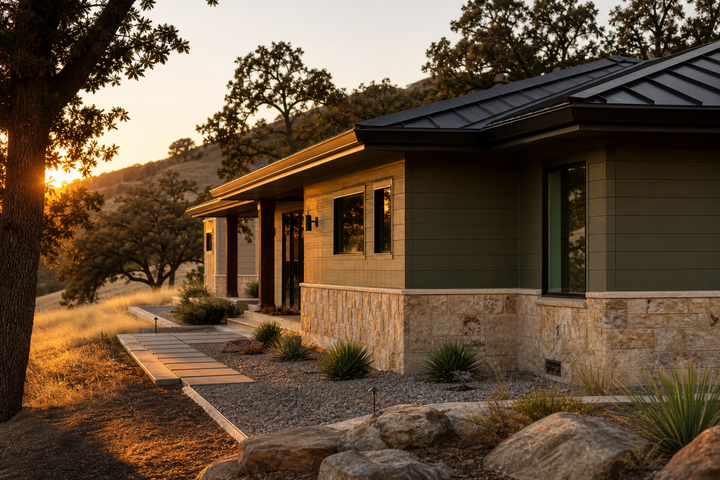 Home hardeningMay 25, 2026
Embers Are the Main Way Homes Ignite in Wildfires — Here’s the Vent and Opening Checklist That Stops Them
Most homes in wildland fires do not ignite because a wall of flame hits them first. They ignite when embers find an opening, land in debris, or catch a vulnerable attachment close to the house—and the best homeowner work is to close those pathways before fire season.
Read article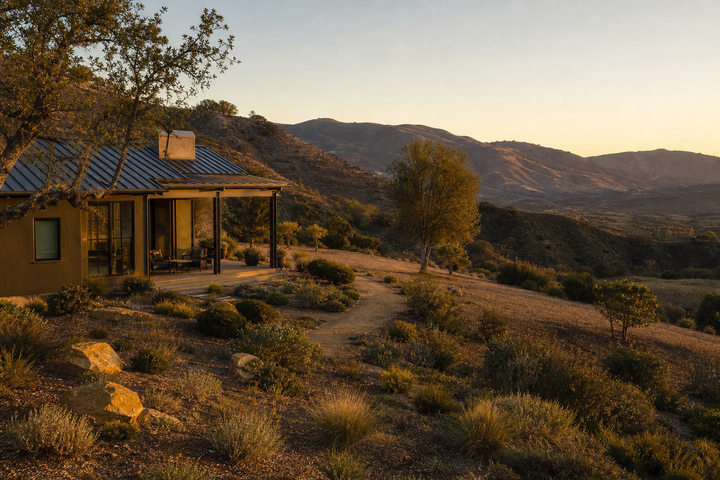 Home hardeningMarch 6, 2026
Defensible Space Zones 1 and 2: The Vegetation Work That Actually Changes Outcomes
Most wildfire yard advice treats every task as equal. It isn’t. In California’s defensible-space framework, the work that changes outcomes most is the vegetation management closest to the structure, where spacing, ladder-fuel removal, and fuel discontinuity can interrupt ember ignition and flame spread.
Read article